50005000 Fund
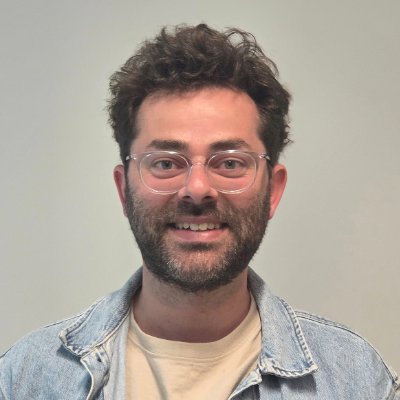
Fernando Arias van Oordt, Amsterdam
What it is
I started with every stock an ordinary broker can buy anywhere in the world. 78,803 listings, 46,120 distinct companies.
Machines screened them first. Real profits, sane debt, honest accounting. The AI then read the survivors one by one, the filings and not the headlines. Every claim of cheapness had to have a reason, and the reason had to survive being checked.
The finalists were then cross examined against one combined standard. The business must be durable, something people still need in ten years. The price must be low for a reason I can name, and the reason must be temporary rather than fatal. The downside must be small if I am wrong, and the story simple enough to explain in three lines. Most pay a dividend while I wait, and no single country, currency or theme is allowed to dominate the whole. No name got in on charm. The standard is inspired by the great value investors: Buffett, Pabrai, Eisman, Burry and Dalio.
22 companies made it, to start. Small positions across many countries and currencies. No leverage, nothing exotic. Cheap real businesses, most of which pay a dividend while I wait.
🇬🇧 United Kingdom · 🇺🇸 United States · 🇩🇪 Germany · 🇫🇷 France · 🇳🇱 Netherlands · 🇸🇪 Sweden · 🇩🇰 Denmark · 🇨🇦 Canada · 🇲🇽 Mexico · 🇦🇺 Australia · 🇨🇳 China · 🇰🇿 Kazakhstan
How I run it
Buy and hold, with open eyes. The AI keeps watching every position: fresh filings, results and news are checked against the written reason each company was bought. Every name carries its own sell triggers, written down on the day of purchase.
I sell when the reason breaks, not when the price falls. Accounting games, permanent damage to the story, or the decay the market feared actually showing up in the numbers for two straight quarters. Winners are left alone. Dividends accumulate and are redeployed into the next idea that survives the same checks. The clock is five years.
When something is bought or sold, or a quarterly check changes a thesis, you get one short email. Nothing else, ever.